
Why Should App Developers Know About User Journeys?#
When building an app, you'll often wonder "Why aren't users using it?"
If you don't know what customers are thinking or feeling, your service ends up hollow. To build an app truly for customers -- like a founder with fresh eyes -- mapping out the user journey is key.
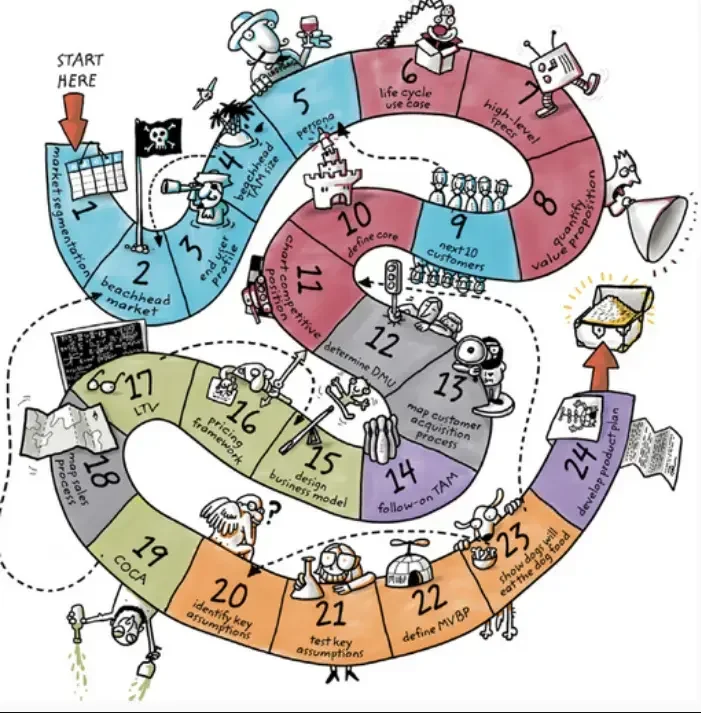
High-Involvement vs Low-Involvement: Where Does My App Fall?#
Involvement level is about how much effort users put into finding information when downloading and using an app.
High-involvement apps cost money or carry risk (e.g., productivity apps, fitness apps), so users carefully check reviews and comparisons.
Low-involvement apps are used casually (e.g., simple games, weather apps) -- people try them and delete them.
The higher the involvement, the deeper you need to dig into customer thinking. For low-involvement, you need to hook them with a single "Wow, that's fun!" moment.
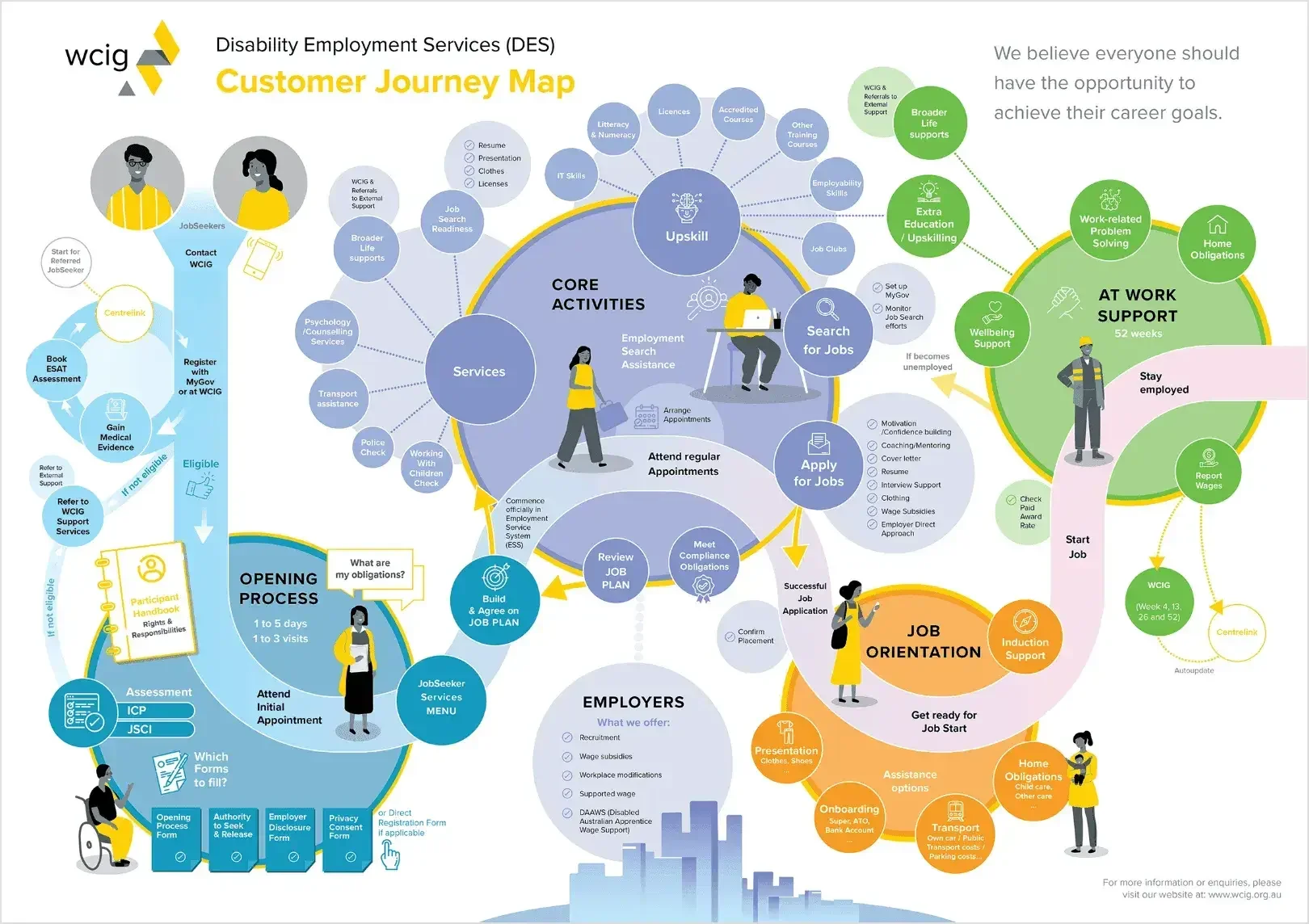
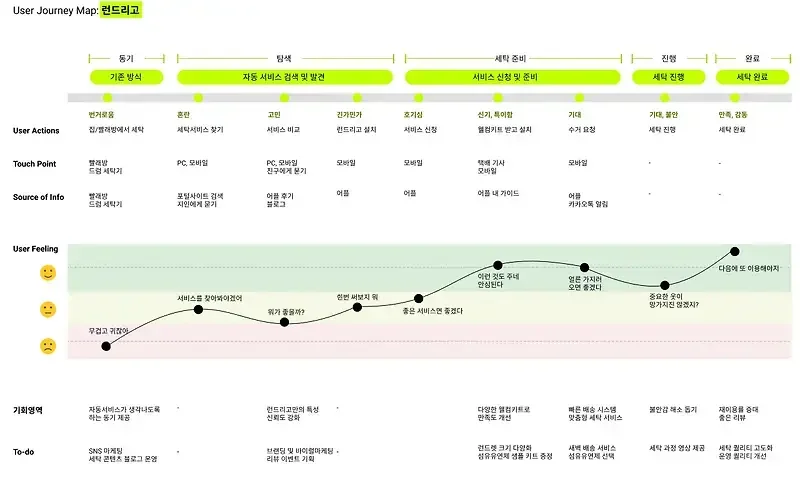
5 Stages of a Typical App User Journey#
A user journey map plots behaviors, thoughts, emotions, and pain points chronologically. Let me walk through an example with a typical app.
1) Awareness Stage#
- Behavior: Searching the app store, seeing ads or SNS recommendations.
- Thought: "What is this app? Do I need it?"
- Emotion: Curiosity.
- Pain: Too many similar apps -- it's confusing.
2) Exploration Stage#
- Behavior: Checking ratings, reviews, screenshots, whether there's a free trial.
- Thought: "Will this solve my problem? It's not a scam, right?"
- Emotion: Expectation and skepticism.
- Pain: Vague descriptions get skipped.
3) First Use Stage#
- Behavior: Downloading, signing up, following onboarding.
- Thought: "This is easy to use? Or... annoying."
- Emotion: Excitement -> frustration.
- Pain: Too many input fields or slow loading = instant delete.
4) Repeated Use Stage#
- Behavior: Trying core features, building habits.
- Thought: "I can't live without this app" vs "Meh."
- Emotion: Satisfaction vs indifference.
- Pain: Bugs, slowness, or lack of value cause drop-off.
5) Loyalty/Churn Stage#
- Behavior: Converting to paid or deleting/leaving a review.
- Thought: High-involvement asks "Is it worth it?", low-involvement says "I'm done."
- Emotion: Loyalty vs regret.
- Pain: Can't migrate data = angry users.
Insights from the Journey#
High-involvement users want trust and value during exploration and first use.
Low-involvement users need to feel "This is easy!" within the first minute.
At each stage, ask yourself "What is the customer thinking right now?"
Keep onboarding short and give them an early win.
Test a "1-minute onboarding," work on improving repeat usage rates.
Use journey maps to stay true to customer-first thinking and build apps that deliver real value. Also check out the book 'User Story Mapping'!
The smallest act of kindness is worth more than the grandest intention.
— Oscar Wilde