Watch the Lectures#
Paul Kennedy - The Rise and Fall of Great Powers
- Lecture 1 European Powers
- Lecture 2 Russia
- Lecture 3 China (Part 1)
- Lecture 4 China (Part 2)
- Lecture 5 The United States (Part 1)
- Lecture 6 The United States (Part 2)
- Lecture 7 New Security Threats
Lecture 1: European Powers#
Lecture 1 - European Powers: Paul Kennedy, author of "The Rise and Fall of the Great Powers" and "Empire Builders," discusses the era when European nations were great powers and the conditions required to become one.
I'm Paul Kennedy, a professor of history at Yale University and director of the International Security Studies program.
My overarching theme is to discuss several great powers that make up the great power system.
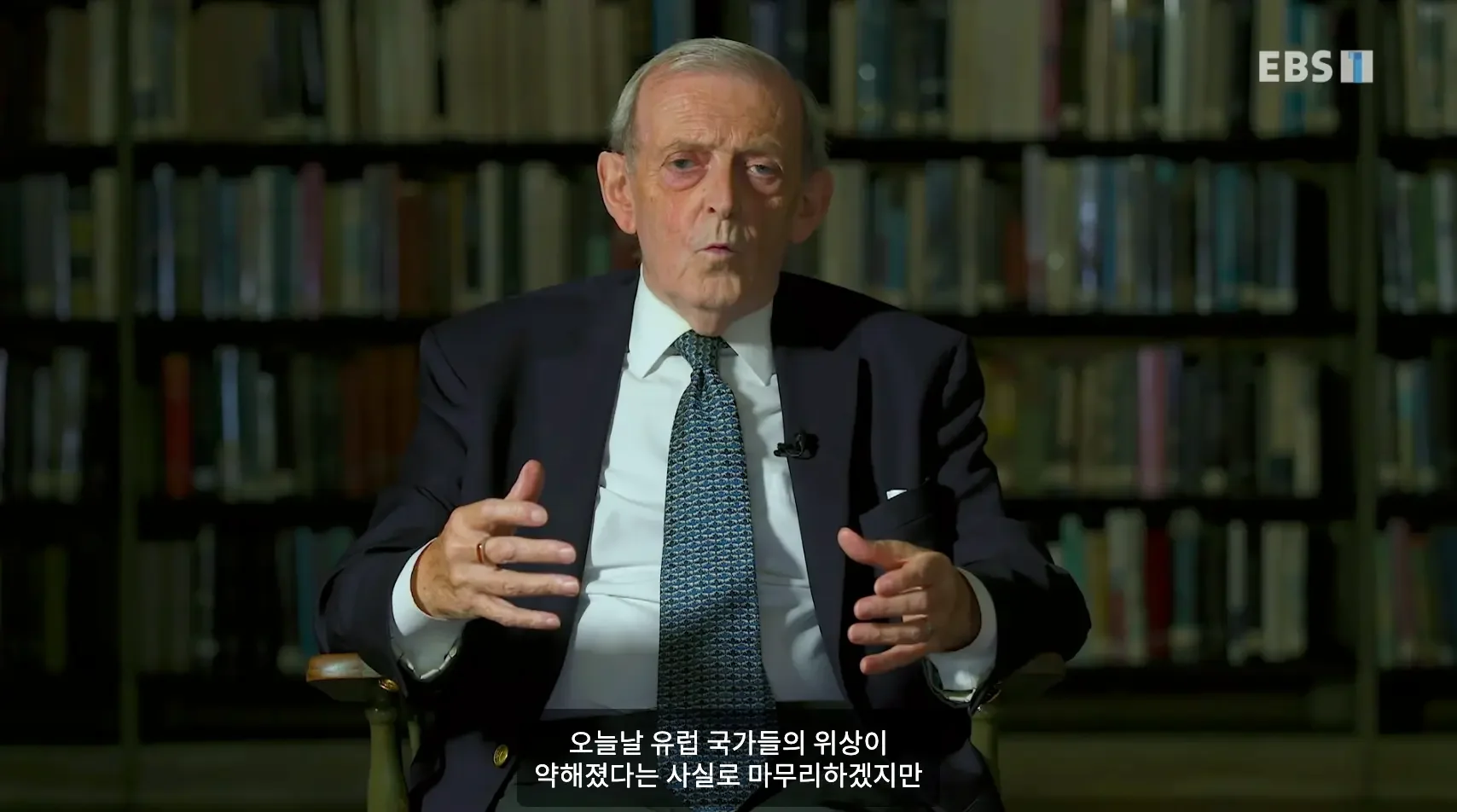
Let's start with Europe, since the great power system originated there. Europe's stature has diminished now, but there was a time when Europe was the center of the world. Historians like us have focused on the year 1500. That's when early modern states emerged in large numbers. As the medieval feudal system dominated by the Catholic Church collapsed, the era of religious unity in Europe came to an end.
From a historian's perspective, the most important thing is that starting around 1500, organized Western European states — Portugal, Spain, France, and what are now the Dutch United Provinces and England — began territorial expansion and colonial empire-building, rising to the ranks of world powers. They went on to play important roles as great powers for a long time.
In the 16th century, China and the Ottoman Empire (today's Turkey) were also powerful nations. From Europe's perspective, China was a mysterious country and the Ottoman Empire was the greatest threat. Europeans became the dominant force at sea with their weapons and navigation.
In the 17th century, there was the powerful Spanish Empire and its sister state, the Austrian Habsburg dynasty. France, though plagued by civil wars, rose to great power status with Europe's largest army and navy. The Netherlands had the mighty trading company, the Dutch East India Company, and occupied most of the Indonesian region. Then there was England.
After World War I, most of the empires I mentioned lay in ruins. Russia came under Soviet rule, and Germany experienced civil strife. Meanwhile, Hitler in Germany and Mussolini in Italy challenged European power, leading to World War II from 1939 to 1945.
World War II brought European nations to ruin, and the true victor was the United States. After that, European powers had to give up their colonial empires. Their influence weakened as they withdrew.
Our constant aim must be to build and fortify the United Nations Organisation. Under and within that world concept we must recreate the European family in a regional structure called, it may be, the United States of Europe, and the first practical step would be to form a Council of Europe.
— Winston Churchill (1946 speech at the University of Zurich)
After this, European leaders, led by France and Germany, came together to create NATO (the North Atlantic Treaty Organization). They also created the European Union. With this, Europe invented a massive power system.
Let me share the characteristics of today's great powers and the European power system.
First, organization and central control — the government must spend funds where needed to strengthen the nation.
Second, economic power and the ability to mobilize funds — sufficient funds must be raised and invested in the military and society where needed.
Third, military power must be built to defend one's territory and claim great power status.
Lecture 1 Summary#
The condition for being a great power found in 400 years of European history: Economic power + Military power
16th century European history
1500: A turning point in world affairs. Early modern states emerge. The Reformation.
16th century: Maritime dominant forces rise. New weapons and navigation emerge.
16th-17th century: Western European modern states lay foundations. Bureaucracy + taxation + naval power.
After 16th century: European-led world order established.
17th-18th century European history
17th century: Emerging great powers rise. Spain, Austrian Habsburgs, France, Netherlands, England.
Early 19th century: Europe seizes global hegemony after the Napoleonic Wars.
After mid-19th century: Spain gives up South American colonies. Power declines after mid-19th century.
20th century: After World War I and II, Europe loses global hegemony.
20th century European history
Early 20th century: No absolute winner in Europe.
Early 19th century: Italian and German totalitarianism challenges European hegemony.
After World War II: Europe pushed from hegemon status. Efforts toward unified economic development, international security, and property rights policies.
1950s: Collapsed European colonial empires.
Modern Europe -> Establishing a New Power System
NATO North Atlantic Treaty Organization (1949)
- Collective defense treaty within Europe
- 30 member nations including UK, France, Germany, US, Canada
EU European Union (1993) - Political and economic integration of European member states
- 27 member nations after UK's 2020 withdrawal
European Power System Characteristics
Organization and central control, economic power and fund mobilization, military power
Lecture 2: Russia#
Lecture 2 - Russia: Paul Kennedy, author of "The Rise and Fall of the Great Powers" and "Empire Builders," discusses Russia's era as a great power and the conditions required to become one.
In this lecture, I'll talk about Russia, one of the great powers with vast territory.
Russia repeatedly attempted and failed to become the number one power, but it may make a third or fourth attempt in the future.
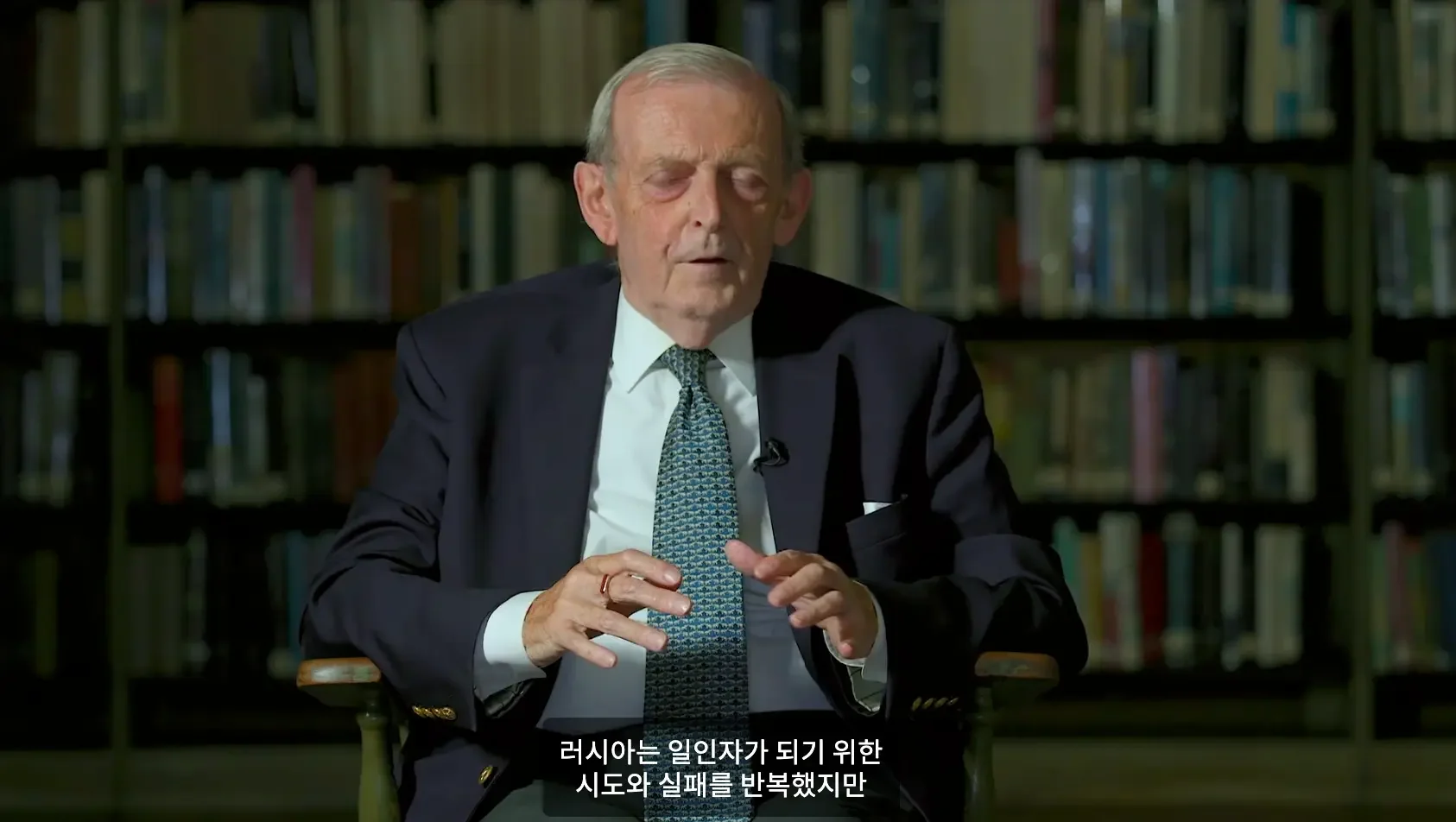
The organized leaders of the Rus region were the ancestors of Russia. Located in eastern Europe, Russia looked westward toward Germany and the Baltic Sea, competing with Sweden and Austria. At the same time, Russia was also an Asian great power. Only a small part of its territory was in Europe, and thanks to the great explorers and conquerors of the 16th and 17th centuries who expanded into Asia, Russia gained its largest territory.
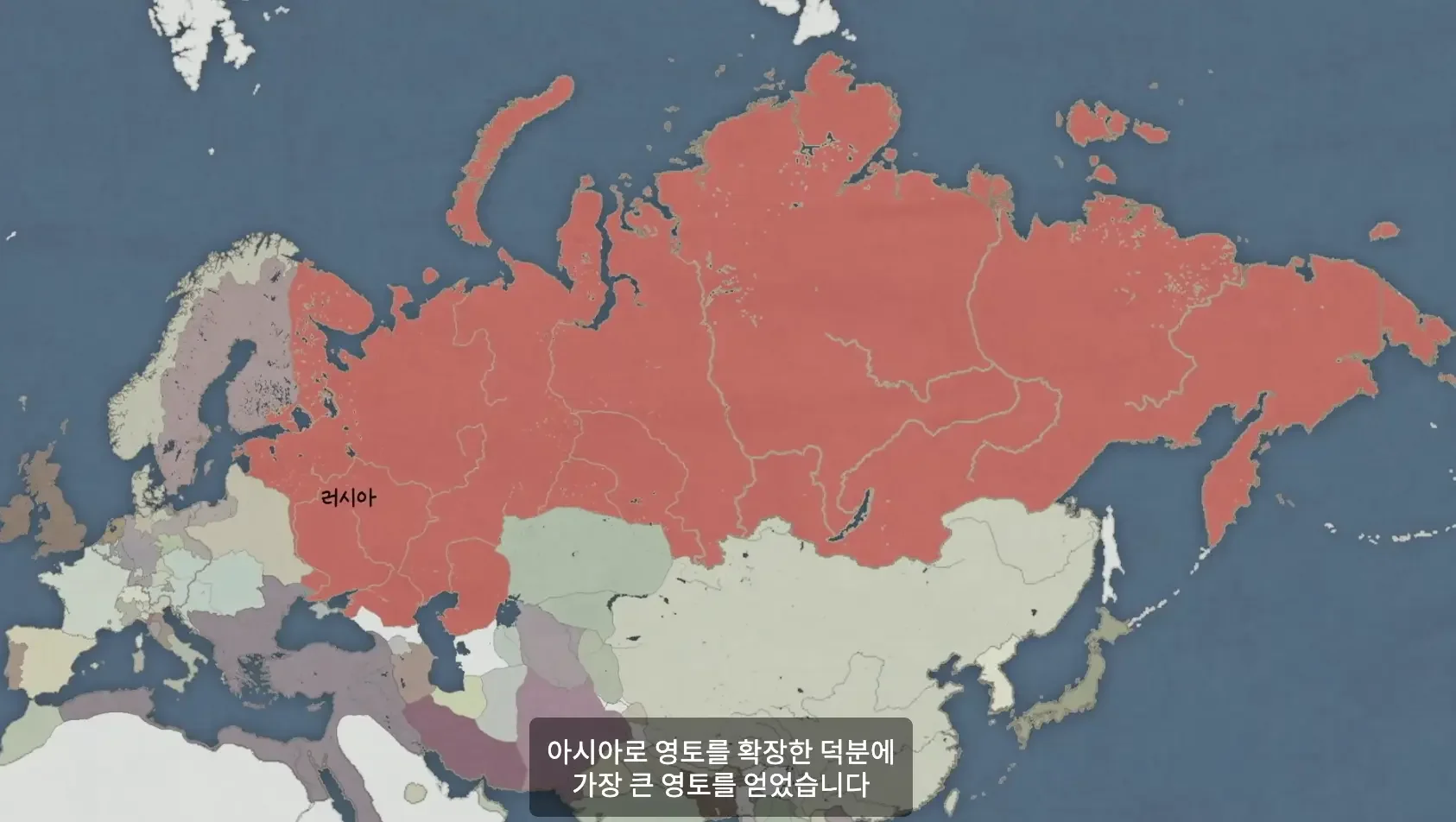
While European nations expanded along the seas, Russian explorers, military expeditions, and geographers walked hundreds and thousands of miles toward Central Asia. By the 18th century, the Russian Empire had accumulated such enormous territory that 11 time zones existed within a single country.
Canada has 5 time zones and the US has 4, but Russia at its largest had 11. By land area, Russia is certainly the largest great power. However, sometimes excessively large and vast territory becomes a weakness. When a country is too large or its population too big, governance becomes difficult.
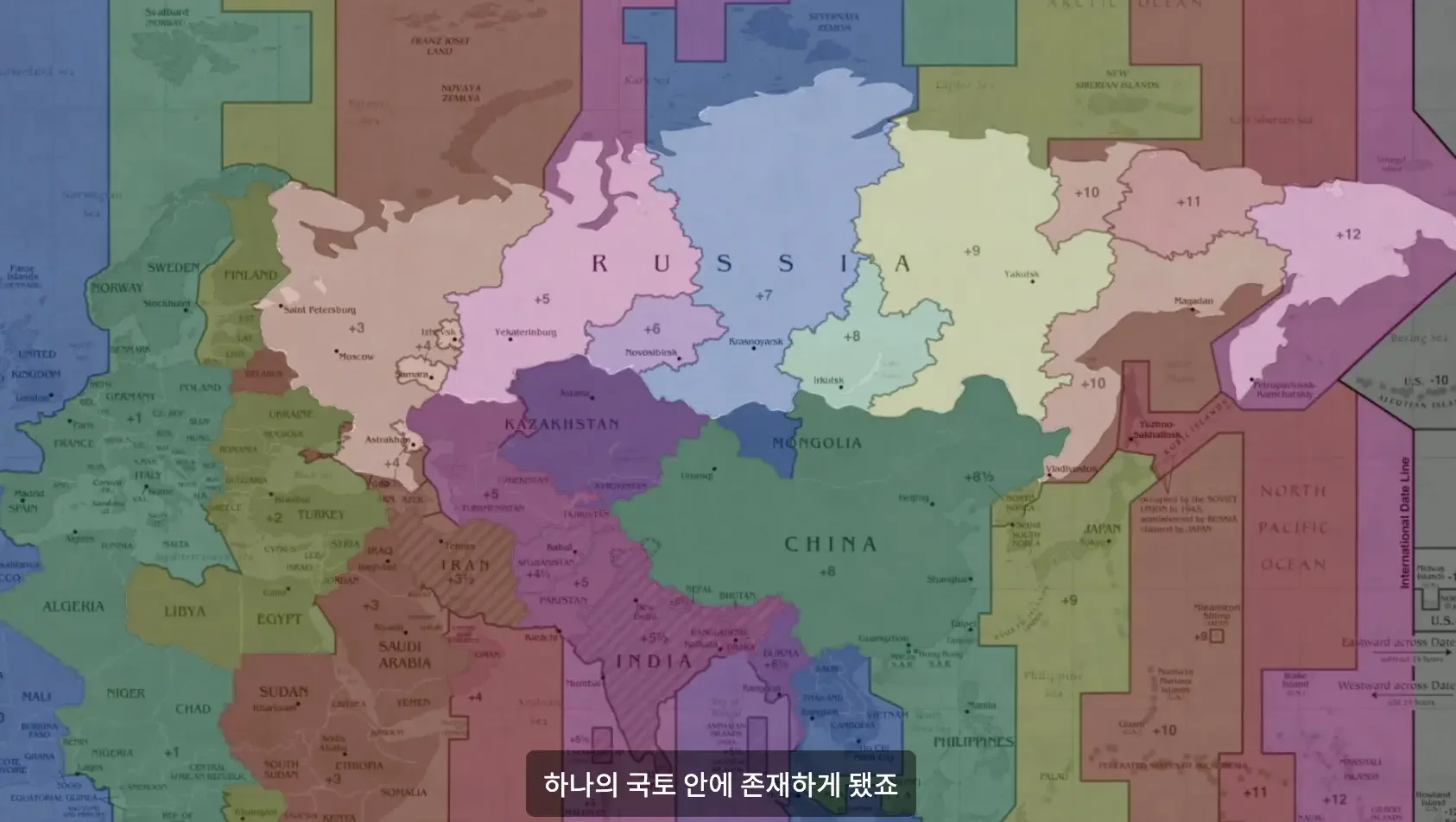
With its vast territory, Russia began dreaming impossible dreams. It wanted to be recognized as a modern European great power while also becoming a pan-Asian great power. It wanted to connect all 11 time zones of the Russian Empire through railways. But World War I from 1914 to 1918 left the country devastated. After World War II, polarization intensified. Gorbachev pursued modernization through democratic experiments, but the reforms failed.
In 1991, Gorbachev transferred control to the Soviet Union's satellite states, giving all Central Asian nations independent status. The Baltic states of Estonia, Latvia, and Lithuania gained independence, and Ukraine and Belarus also became independent nations. Russia's economy gradually fell behind.
Under Vladimir Putin, another attempt was made to restore Russia as a great power. Putin's strategy for world dominance involves becoming economically powerful. Putin is well aware of how far Russia has fallen. You can easily see this from the massive investment in naval and air power rather than the army. By doing so, he threatens neighboring countries and tries to demonstrate that Russia is a true great power.
Putin's Russia is engulfed in political jealousy — fear of falling behind China and of always appearing weak compared to the United States.
What will Russia look like after Putin's retirement or death? Can Russia compete in the world order? Can it endure and overcome difficulties? Can any great power bear falling behind?
All great powers want to become unified, militarily strong, and economically competitive nations. This historical great power system still exists today.
Lecture 2 Summary#
Russia's history of challenging for hegemony: Aim to be recognized as a modern European great power and build a pan-Asian empire.
500 years ago: Russia's predecessor, the Tsardom of Rus.
1721: Declaring an empire with vast territory. Up to 11 time zones.
18th century: Claims to be part of the European world.
19th century: Russian imperialists. Imagining connecting the country through railways.
20th century Russian history
World War I: The Russian Empire collapses with the February 1917 Revolution and the Bolshevik Revolution.
1922: Birth of the first communist state, the Soviet Union.
After World War II: Union of Soviet Socialist Republics (competing with NATO, bipolar system).
1970s: The Soviet Union enters economic stagnation.
Modern Russia -> Acquired military power but failed to build economic and technological power
Late 1980s: Mikhail Gorbachev's perestroika reform and opening policy fails.
1991: Dissolution of the Soviet Union, Russian Federation established.
After 1991: Falls behind China and the US after Soviet dissolution.
After 1999: Vladimir Putin attempts a new Russian world domination strategy.
Putin's World Domination Strategy for Russia
Controlling neighboring states and strengthening naval and air power.
-> Russia's desire to become a superpower is an ongoing story.
-> Economic strengthening needed to become a true great power.
Lecture 3: China (Part 1)#
Lecture 3 - China (Part 1): Paul Kennedy, author of "The Rise and Fall of the Great Powers" and "Empire Builders," discusses China's era as a great power and the conditions required to become one.
In this lecture, I want to examine Asia within the great power system from the 1500s and 1600s to today. The great power of Asia is China. Until Europe invaded various countries around the world based on expansionist policies, China was probably the most powerful nation in the world.
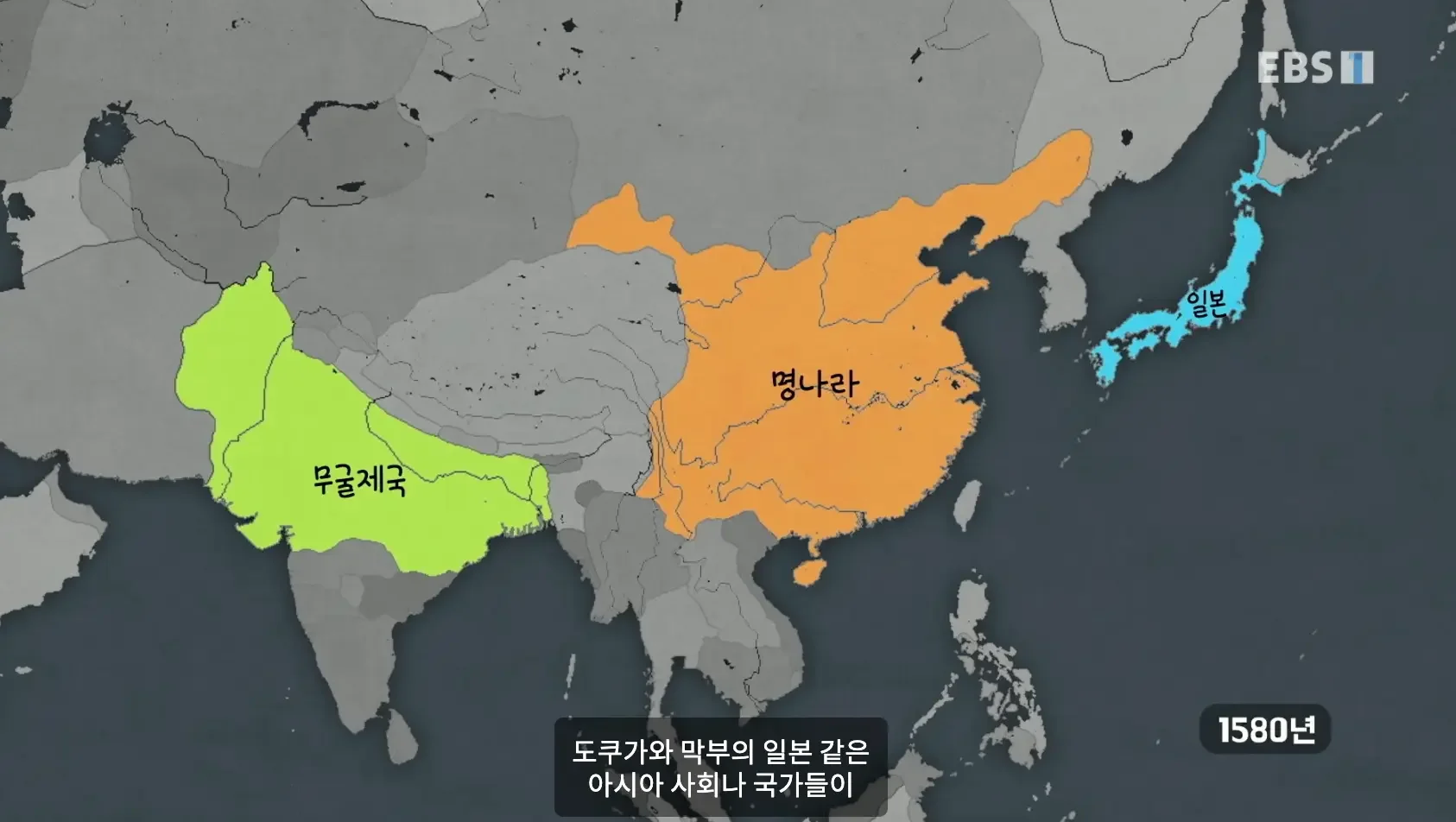
Before the 16th century or the rise of Europe, Asia was the center of the world. This means that Chinese society and its vassal states, along with Asian societies and nations like India's Mughal Empire and Tokugawa Japan, had far larger government systems and bureaucracies than the West. And in terms of physical statistics, China, India, and the East Indies had much larger economic scales than the Western world.
In the 17th-18th century, China was isolated and failed to build competitiveness. During that period, European imperialist nations were invading and ruling Southeast Asian countries. China failed to develop new technologies, organizations, new weapons, and Western-style armies during that time.
By the mid-19th century, European great powers forced China to open its trade ports. For China, it was an enormous humiliation that Westerners occupied their ports, demanded special legal status, and even took control of their trade.
As the transition from the 19th to the 20th century occurred, Chinese nationalists who modeled themselves on Western European nations championed reforms to create a modernized China. They carried out movements like the May Fourth Movement. But China kept falling behind. When Japan fell after World War II, the communists took control of China in 1949.
Despite repeated failures and setbacks, after the 1980s China's economy improved and it emerged as the world's largest trading nation. It could now afford the costs of a technologically advanced military.
The question many nations ask is whether China, upon reaching the position of the world's strongest country, will show responsibility, negotiate with neighbors, and make concessions — or become an aggressive great power that threatens neighbors and stirs conflicts throughout East Asia.
Lecture 3 Summary#
400 years of Chinese history
Before 16th century: A great power among great powers with the strongest national power and culture.
17th-18th century: China drifts away from great power status.
Mid-19th century: European Opium Wars expand. 16 ports opened to Western powers.
19th-20th century: Pursued reforms modeled on the modern West, failed.
- Lack of unified organization
- Lack of effective tax collection
- Lack of diplomatic capability
Modern Chinese history
1946: After 20+ years of civil war between Chiang Kai-shek's Nationalists and Mao Zedong's Communists, the Chinese Communist Party wins.
1949: People's Republic of China established. Chiang Kai-shek establishes the Republic of China in Taiwan.
1950-1970: Economic backwater. All economic reform attempts after communist rule fail.
After 1979: Deng Xiaoping emerges. China rises as a great power technologically, militarily, and economically.
Lecture 4: China (Part 2)#
Lecture 4 - China (Part 2): Paul Kennedy, author of "The Rise and Fall of the Great Powers" and "Empire Builders," discusses modern China's era as a great power and the conditions for becoming the strongest power in the future.
I was curious whether there was a grand narrative covering the rise and fall of great powers over the long span of 400 years from the 16th to the late 20th century. So in the 1980s, I began writing a massive book. It's the book you know as "The Rise and Fall of the Great Powers." My book attracted attention because people were worried — "Is America on a path of decline?" "Is America losing its position as the world's sole great power?"
In this lecture, I'll examine China's position on the world stage and also look at the impact on neighboring countries, including Korea.
Deng Xiaoping appeared in 1979 and carried out reforms — specifically allowing economic liberalization. He encouraged investment and engagement with the Western world. After 1980, the Chinese economy grew rapidly every year. China's slowly rising economy could now afford the costs of a technologically advanced military. It acquired cutting-edge technology, emerged as the world's largest trading nation, and accumulated an enormous amount of capital.
If China's GDP grows faster than other countries each year, it will naturally get bigger and stronger. It's hard for an emerging great power to realize where it should stop. When will it realize that instead of waging wars with neighbors, it's far more advantageous to pursue economic growth, guarantee a happy life for its citizens, and focus on increasing GDP per capita?
What an emerging great power must not forget is to promote its domestic economy and technological development while avoiding conflicts with neighbors. As we can see from the rise and fall of great powers, conflicts obstruct economic growth, reduce citizens' quality of life, and damage trade.
There's a proper way for a great power to conduct itself. British political economist John Stuart Mill said something about this. Observing the early rise of Western nations, he said there's nothing better than a predictable good government for elevating a country from underdevelopment to high growth. Predictable taxes and the absence of war are also important.
John Stuart Mill also said that if a country has good government, collects predictable taxes, and doesn't fight with its neighbors, the creativity of its people and entrepreneurs will flourish, enabling economic growth year after year.
Lecture 4 Summary#
Deng Xiaoping's emergence in 1979 -> China's rise as a great power
- 5th Chairman of the People's Republic of China
- Pursued free economy, future-oriented, pro-Western policies
- Built economic power first, then military strengthening
Virtues of a great power
- Pursuing economic growth
- Guaranteeing citizens' happiness
- Increasing GDP per capita
Conditions for a nation's high growth (British political economist John Stuart Mill)
- A predictable government
- Predictable taxes
- Absence of war
Conditions for China to become a 21st century great power -> Avoiding conflicts in the international community
- Economic growth
- Growth without war
- Political stability
Lecture 5: The United States (Part 1)#
Lecture 5 - The United States (Part 1): Paul Kennedy, author of "The Rise and Fall of the Great Powers" and "Empire Builders," discusses America's era as a great power and the conditions for maintaining its superpower status in the future.
The topic of this lecture is the United States — the country that has maintained the position of the world's number one great power for the last 100 years and today. Let me start the story of America, which began as a small regional power and gradually developed over more than 150 years to eventually become the world's leading great power.
Originally, America wasn't a unified nation of states. Farmers, lawyers, and legislators from England and Scotland who came to the American colonies were creating local governments and governing in various states. Tired of British central government's colonial rule, they came together dreaming of resistance. To break free from the rule of King George III, they had to fight a war of liberation — the American War of Independence. Britain lost this war, and in 1783, American delegates gathered to draft a constitution and sought diplomatic recognition from European nations.
In 1783, America was a weak nation. What America feared was European powers like Spain, or France and Britain who controlled most of North America's Canada, returning to interfere in the Western Hemisphere. Thus, through the Monroe Doctrine — named after the president — America declared that it was supreme in the Western Hemisphere and would never tolerate any force that tried to interfere.
In the 19th century, America achieved remarkable growth in two ways.
First was population growth. America was an attractive destination for immigration. By around 1914, America had become far larger and more populous than any European nation. Even during the Great Depression of 1930, immigrants kept heading to America. This meant it possessed a massive labor force for new technologies, industries, and development.
The second advantage was that during this period of population growth, the economy grew impressively. America's economic wealth and investment led to weapons development and production — enabling more aircraft carriers, fighter jets, battleships, destroyers, and submarines. And by 1945, as World War II drew to a close, America emerged as the world's sole great power within the historical great power system.
What keeps America at the position of the world's leading great power is national pride. Since 1945, America has been expanding military bases and naval ports through military alliances and stationing troops around the world. Some critics have called this imperialistic — reaching beyond its borders to try to help all nations.
Lecture 5 Summary#
American hegemony history
1774: Comprised of 13 colonies. Government and self-governing assemblies existed independently.
1775: War of Independence.
1783: Treaty of Paris. America recognized as an independent nation.
1787: US Constitution established.
World War I: US population approximately 24 million. Economy ranked 14th globally.
1822: Monroe Doctrine.
1861-1865: Civil War. North-South conflicts over tariffs and slavery.
After 1890: Rapid US growth. Population increase from European immigrants. Economic and military growth.
Early 20th century: Exercises powerful influence in the international community as an economic powerhouse.
1945: Emerges as the world's sole great power. US gross national product accounts for half the world's total.
After World War II: Expansion of military bases and naval ports. Troops stationed worldwide.
After 1980: US influence extends to the Middle East.
- Principle of American non-interference in Europe
- Principle of European non-interference in America
- Rejection of colonial establishment by Europe
Lecture 6: The United States (Part 2)#
Lecture 6 - The United States (Part 2): Paul Kennedy, author of "The Rise and Fall of the Great Powers" and "Empire Builders," discusses modern America's era as a great power and the conditions for maintaining its superpower status in the future.
The story of America's relationship with conflict zones around the world since the 1960s is a complicated one for many Americans. Many Americans believed that participating in the Vietnam War was a good thing for the world, and when fighting the Iraq War, they believed they were doing good for the world. But some wanted America to withdraw and viewed America as colonialists.
To summarize America's growth story: 20th-century America grew steadily — through 1945, 1950, and the stability of the Eisenhower and Kennedy presidencies. Then its power gradually weakened, transforming into an ordinary great power.
America is still a great power with advanced technology and amazing corporations. The US dollar wields tremendous power on the international stage. America has the world's most advanced military, but as it's been forced to share influence with other nations, it has lost its position as the world's sole superpower.
America feels that regarding advanced societies that share the same values, same political system, and same democratic parliamentary procedures, America is their partner with common purposes.
What we need to do now is look at the world from a realist perspective. The realist perspective in international politics is the fact that individual great powers are extremely selfish, pursue their own interests, and deeply desire power and authority. They believe that nothing is more important than the nation they represent on the world stage.
On the opposite side of the realist view are those who advocate an idealist perspective. They argue that greater human norms exist and that larger global institutions, especially ones like the United Nations, are necessary.
Lecture 6 Summary#
Diminished American power
A decade of Vietnam War defeat, the half-success of the Iraq War, withdrawal from Afghanistan.
America's enduring power
Advanced technology, world-class corporations, the US dollar.
Causes of the Afghanistan failure
- Low public acceptance of democracy
- Strong localism and tribalism
- Negative toward foreign intervention
Difference between Biden and Trump administrations
Biden administration: Moderate policies.
Trump administration: Isolationist policies, America-first agenda.
Biden administration's foreign policy
- Continues Obama's policies
- Focuses on East Asia to counter China's rise
21st century international landscape -> Need for a realistic perspective in the great power system
- Realist view: Great powers are selfish, pursue national interests, and desire power
- Idealist view: Need for global institutions, international order must be established through institutions
Lecture 7: New Security Threats#
Lecture 7 - New Security Threats: Paul Kennedy, author of "The Rise and Fall of the Great Powers" and "Empire Builders," explains what new security threats are emerging that differ from past threats and what we should think about going forward.
In this final lecture, I'll examine both the current and future traditional great power system, as well as non-traditional challenges related to great power security.
Let's think about the security issues we've all been concerned about over the past decade or so. What are non-traditional security threats? First, there are pandemics like COVID. These pandemics cross all borders and affect every corner of the world. Second, the world faces the threat of global warming. Extreme heat events have occurred in the Northern Hemisphere. Finally, we're witnessing mass migration. People abandon their homes and illegally immigrate to other countries.
People now think we need a new definition of security. Not the traditional security threats from great powers, but an awakening to issues that threaten our way of life. It's a threat to the way of life of all humanity, and that threat may come from the environment.
If we modify corporate and industrial regulations to become more eco-friendly, is that wrong?
Is it acceptable to let massive amounts of polluted smoke from China's coal-fired power plants drift into Korea or Japan?
If ocean temperatures rise too much and damage the food sources we get from fish, isn't that our fault?
What is national security to us?
How can we better understand the world we live in, and what should we do for it? Countries like middle powers — including Korea — and global communities, the European Community, South American nations, and East Asian nations must continuously emphasize the importance of international organizations.
We must rekindle interest in the UN General Assembly as a parliament of humanity and rebuild the UN Security Council. We must prevent arms races from gaining momentum and learn to utilize the Security Council from new perspectives. Having an international security system through the UN may not be the best solution, but it's the only system we have right now.
We must move beyond regional cooperation to international-level cooperation. The struggle for a harmonious world, a world of prosperity, a world free of large-scale war, and the fight to understand our system — it's not over yet.
Lecture 7 Summary#
New non-traditional security issues
Pandemics, global warming, illegal mass migration.
A new definition of security is needed -> Not great power threats, but threats to our way of life
Non-traditional security threats originating from the environment
Public health, illegal immigration, technological ups and downs, stock market crashes.
21st century outlook
Security challenges by 2050: Environmental and health threats.
Expected shift from US-China bipolar system to multipolar system.
Return to an Asia-centered great power system as it was 500 years ago.
Conditions needed for a 21st century coexistent society
- Need to emphasize the importance of international organizations
- Need for active participation of middle powers
- International cooperation, not just regional cooperation
Be yourself; everyone else is already taken.
— Oscar Wilde