Watch the Lectures#
Vinod Aggarwal - World Trade Wars
- Lecture 1 The Birth of GATT-WTO
- Lecture 2 The Ups and Downs of FTAs
- Lecture 3 US-China Tech Hegemony
- Lecture 4 US-China Economic Statecraft
- Lecture 5 Korea's Survival Strategy
Lecture 1: The Birth of GATT-WTO#
Lecture 1 explains the background and current role of GATT and the WTO from an international affairs perspective.
I studied international political economy because of a certain frustration. No economist would answer the questions I was curious and interested in. That's because economists simplified economic theory 100 years ago — they removed political variables. They took politics out of economics. But even someone who doesn't know economics knows that economics and politics can't be separated. So I became interested in studying the intersection of politics and economics.
Let's talk about trade first. Why do we consider trade so important? What is it about trade that captivates people? Why do we trade, and what is free trade?
The basic concept of free trade comes from specialization theory. What does specialization mean? In the domestic economy, people don't buy and sell everything they make — they don't produce all goods themselves. The reason we divide labor in the domestic economy is to pursue efficiency, and this applies to the global economy too.
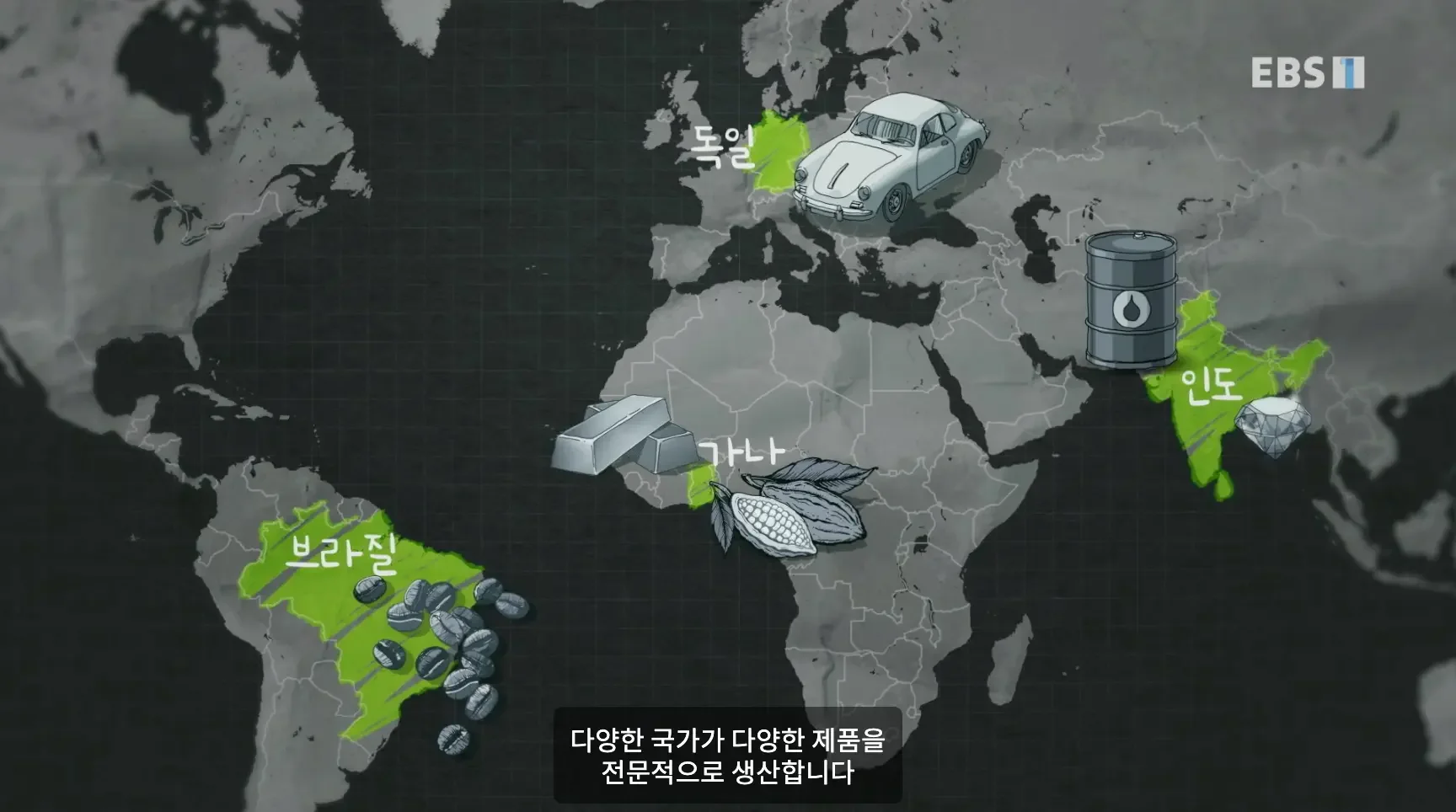
In the global economy, different countries specialize in producing different products. Each country produces different products professionally. So why does specialization, which works well domestically, cause problems at the international level? Because at the international level, many countries compete. That's why the biggest concern with imports and exports is becoming overly dependent on a single country.
Even if that's the national stance, companies don't want excessive competition. So what do companies do? They lobby or pressure the government for protection, claiming their business is important to national security — so they won't have to compete with other companies. They demand import restrictions from the government.
The International Trade Organization (ITO) was supposed to serve as a troika of international economic institutions alongside the World Bank and the International Monetary Fund, established in 1944. After World War II, the United States — which had emerged as the world's greatest superpower — opposed establishing the ITO. This was due to domestic factors, intricately entangled with the interests of American companies wanting foreign direct investment.
So the international community had to settle for a temporary treaty called the "General Agreement on Tariffs and Trade" instead of the ITO. That's GATT. This GATT agreement was a trade agreement that began in 1947 and became the World Trade Organization (WTO) in 1995.
What are the advantages of the GATT-WTO system? GATT served to regulate trade. It provided guidelines to prevent countries worldwide from freely raising tariffs or erecting import barriers. It was a rule-based system to prevent protectionism.
What does the WTO focus on? First, it's very interested in lowering trade barriers. Paradoxically, this is called tariffication — meaning all barriers should be converted to tariffs. Instead of placing restrictions on rice imports, you impose tariffs.
How does the GATT-WTO system work? Member nations, mostly in Geneva, gather for trade negotiations. Trade negotiators propose what they'll do. They may lower tariff barriers and forge new agreements. There were the Dillon Round, Kennedy Round, Tokyo Round, Uruguay Round, and more.
The WTO also took on a dispute resolution role. It established rules for how a country that claims to be harmed by another country should file a complaint with the WTO. Applying WTO rules isn't easy. There are many disputes, and decisions take a long time.
Speaking of trade losers who lost their livelihoods to trade — it's hard for them to suddenly start a different job and earn a high salary. The government needs to support them alongside the WTO.
Lecture 1 Summary#
Why we trade:
- Free trade: Originates from specialization (focusing on one area among many)
- Division of labor: Maximizing efficiency
Why specialization becomes a problem internationally:
- Competition with more companies
- Countries aren't friendly to each other and avoid excessive dependence on one country
- Companies trying to avoid excessive competition -> Lobbying or requesting protection
1947 GATT (General Agreement on Tariffs and Trade) -> 1995 World Trade Organization (WTO)
GATT-WTO's role:
- Trade regulation
- Guidelines on tariffs and import barriers
- A system to prevent protectionism
GATT-WTO's core:
- Lowering trade barriers
- Tariffication -> Replacing all trade barriers with tariffs
Uruguay Round (1986-1995) achievements:
- TRIPS Agreement
- Agreement on patents, design rights, trademarks, copyrights, etc.
- Protecting the film and music industries; devising intellectual property protection measures
- World Trade Organization (WTO)
- Establishing procedures and rules for countries to file complaints
- Building a legal system for dispute resolution
Results of the Uruguay Round:
- Abolition of agricultural subsidies, elimination of dual grain pricing, suspension of farming loans, elimination of export subsidies, etc.
Lecture 2: The Ups and Downs of FTAs#
Lecture 2 explores why free trade began, how the current trade order was formed, and looks at it through the background and specifics of free trade agreements.
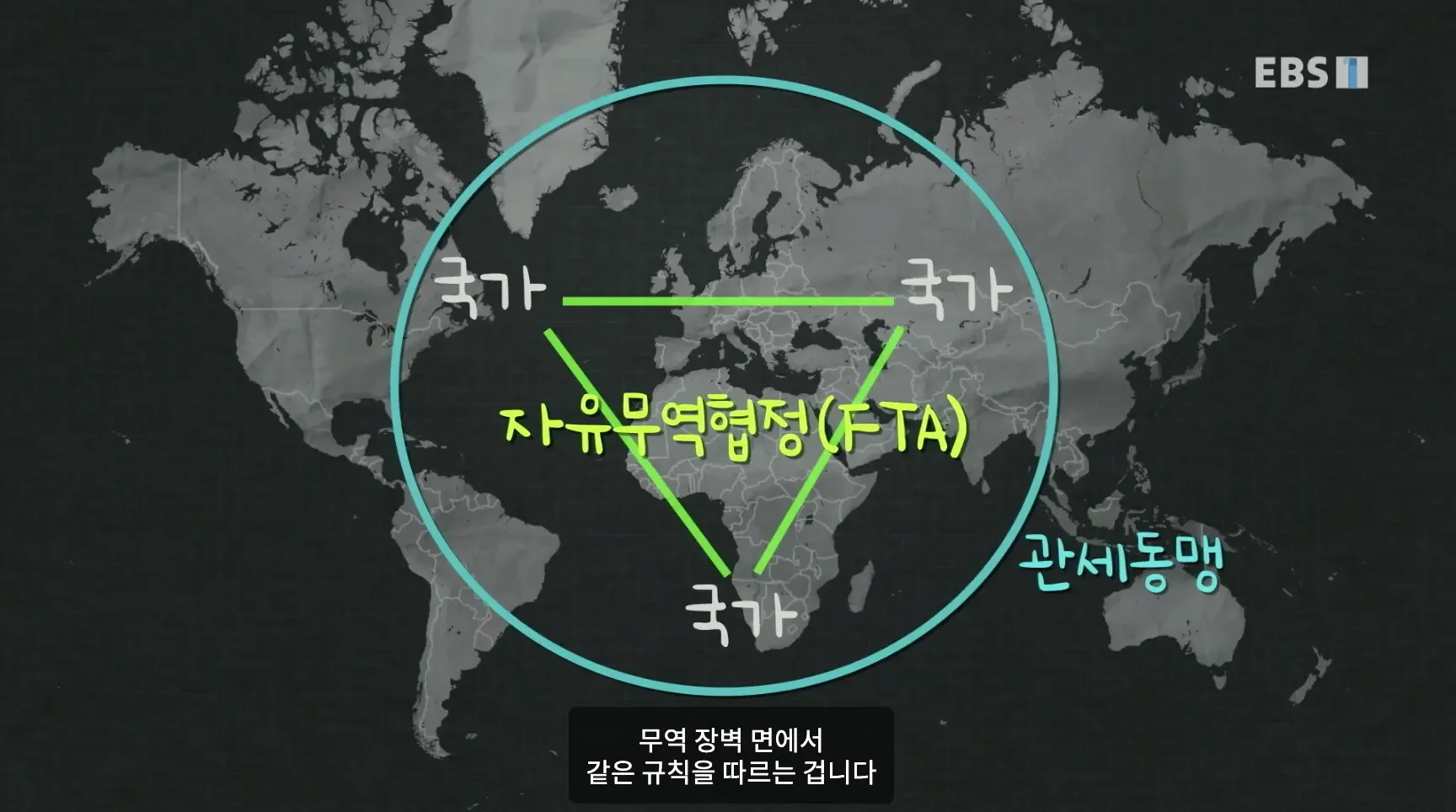
Let's talk about the foundation of free trade agreements. There's a specific clause in the WTO — Article 24. It states that everyone must be treated equally. Equal treatment for all nations is what Most Favored Nation (MFN) status means. But you can form free trade agreements or customs unions.

A free trade agreement is when two or more nations engage in free trade, and a customs union is when free trade nations impose common tariffs, following the same rules on trade barriers. According to GATT Article 24, you can make bilateral or multilateral free trade agreements, but you can't raise tariff rates — they must be lowered.
How many free trade agreements are possible among 200 countries in the world? A whopping 19,900. So why make bilateral trade agreements? One thing's for sure — they're easier to start negotiating. Negotiating with dozens of countries is difficult, but with just Korea and the US, you can reach agreement faster and achieve political objectives more quickly.
Korea's trade agreement with the US wasn't just about trade — it was also about security. We call this issue linkage. It was believed that the free trade agreement would make the US more actively committed to Korean security. Free trade agreements are made not only for economic reasons but also for security and political reasons.
When two nations enter a trade agreement and one is far more powerful than the other, the powerful nation may pressure the weaker one with all sorts of demands. The EU is notorious for attaching various conditions to free trade agreements with smaller countries. They keep adding issues to trade agreements, making negotiations very complex. This is called strategic linkage.
Let's look at the situation in the Asia-Pacific region. Let's start with APEC — the Asia-Pacific Economic Cooperation. Its goal is to form an economic cooperation body in the Asia-Pacific region and create a free trade zone. However, the participating countries are so complexly intertwined that APEC has made no progress since 2014. The alternative to APEC is the TPP — Trans-Pacific Partnership.
China pushed forward with the RCEP (Regional Comprehensive Economic Partnership). China is also successfully pursuing the Belt and Road Initiative, pouring massive investment into Central and West Asia.
What's the situation now? Asia is in full competition. Countries dependent on the Chinese market are competing with each other — because their national economies, trade, and investments are at stake. But security depends on the US.
If a country becomes one that depends on the US for security but China for its economy, it'll find itself in quite a bind.
Lecture 2 Summary#
The foundation of FTAs: GATT Article 24
- The principle of treating all nations equally as Most Favored Nations
- Tariff rates can only be lowered
Problems with bilateral FTAs:
- Security issue linkage
- Possibility of great power bullying
Issue linkage (Strategic linkage):
- Strategically linking security and trade
(Example: Korea-US FTA = Trade + Security)
APEC (Asia-Pacific Economic Cooperation)
- Established 1989, an economic cooperation body like the EU
- Including the US, with free trade across Asia as the goal
- Led by Australia and Japan
- Goal of agreements between major powers by 2010 and all members by 2020
- 21 members' requirements and varying economic development levels -> No progress since 2014
APEC alternative -> TPP (Trans-Pacific Partnership or P4 Agreement)
- Showed that even small countries could lead the world trading system
- Led by Singapore, New Zealand, Chile, later joined by Brunei
- Established rules on tariff elimination, health standards, technical barriers, and government procurement
- Discussed competition policy and intellectual property
TPP's success and failure:
- 2008 US Bush administration and Obama administration pushed TPP
- Mexico, Canada, Japan also wished to participate
- 2017 TPP ratification including the US failed
- 2017 Trump administration officially announced withdrawal from TPP
China's independent actions after being excluded from TPP:
- Belt and Road Initiative: Plan to connect 49 countries in Europe and Asia by 2049, building a massive market
- Led RCEP agreement and established AIIB (Asian Infrastructure Investment Bank)
Lecture 3: US-China Tech Hegemony#
Lecture 3 discusses the strategies and future outlook of the world's top tech power, the US, and China, which is rapidly catching up.
Now let's talk about industrial policy. Let's look at what industrial policies each country pursues and what that means for trade disputes. Industrial policy means government intervention in the market — that is, the government (local, city, or central) intervenes in the market. It's not giving the market complete freedom.
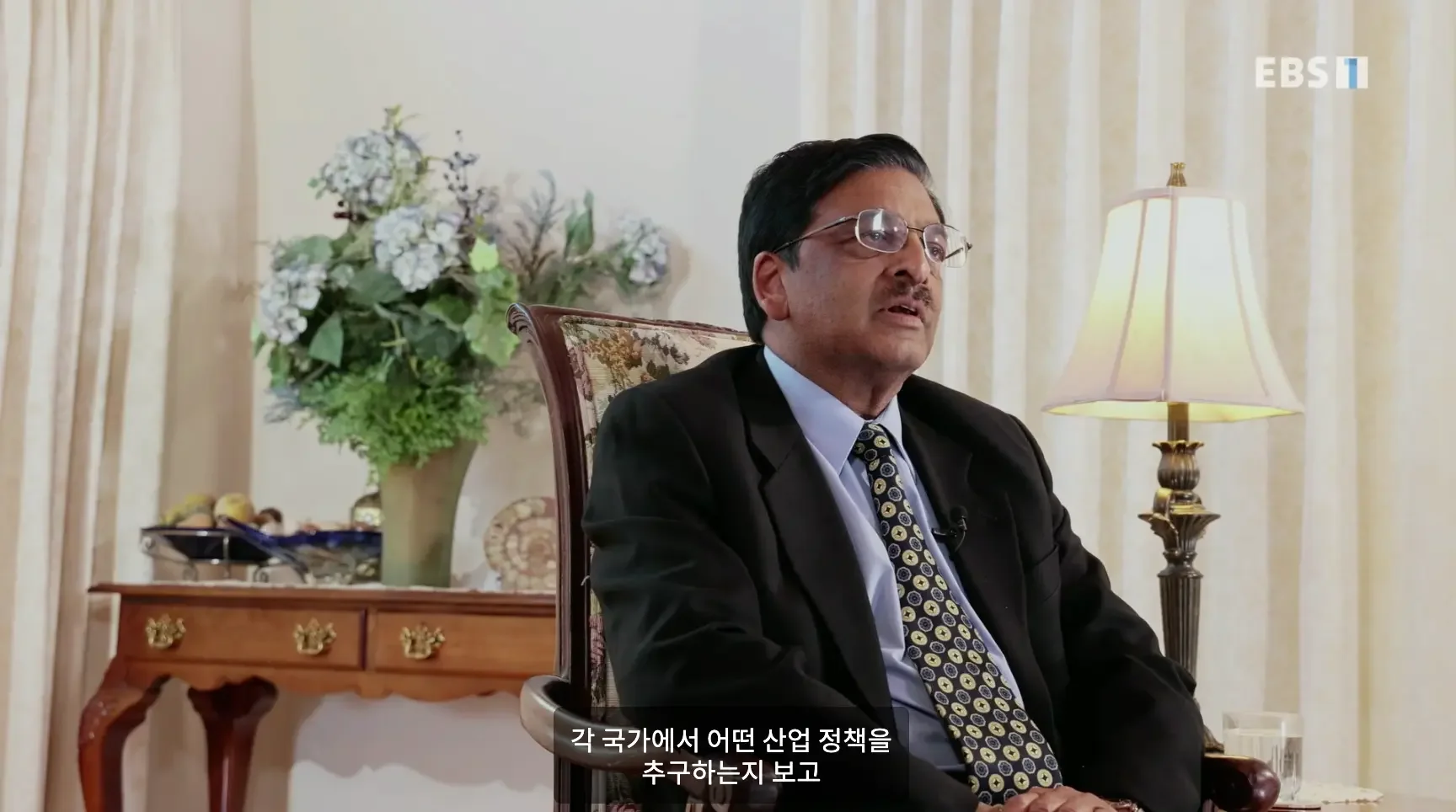
Industrial policy is divided into two types: horizontal industrial policy and vertical industrial policy.
What is horizontal industrial policy? It means not promoting specific sectors alone — creating policies that benefit all industries.
Vertical industrial policy means intensively nurturing specific sectors. This is very controversial. The logic of vertical industrial policy is that since you can't compete, you provide subsidies, create trade barriers, set standards, or use government procurement.
So how can you create a successful industrial policy?
Industrial policy isn't easy. When you decide to support a specific sector, the government must act very carefully — it could become a tool for some companies trying to increase their profits through the government. Politicians need to unite to produce proper results.
What policies did Japan, Korea, and China — countries that used industrial policy effectively — pursue? There are investment tax credits that give tax breaks to companies that invest heavily. There's human resources. There are environmental regulations and technology standards too. They use these to block foreign companies from entering their markets or create innovation centers. Everything is an example of industrial policy and politics.
The problem with industrial policy is that it doesn't align well with the trade policy discussed earlier. The WTO doesn't want countries pursuing aggressive industrial policies. If a country subsidizes its industries at the national level, other member nations might complain and file a complaint with the WTO.
Strong governments (US, China) can pursue industrial policies, and the current WTO lacks the capacity to address these nations' actions.
Lecture 3 Summary#
Industrial policy: Government intervention in the market
Horizontal industrial policy: Nurturing all industries, not specific sectors. Education, worker training, infrastructure
Vertical industrial policy: Exclusively nurturing specific sectors or companies (subsidies, standards, government procurement, etc.)
Effective vertical industrial policy (Korea, China, Japan):
- Tax credits for companies that invest heavily
- Human resources support
- Blocking foreign company entry through regulations
- Establishing innovation centers, providing university subsidies
Problems with industrial policy:
- Aggressive industrial policies -> Frequent conflicts with WTO
- Can't solve all national problems
- Must not become a tool for companies exploiting the government
- Unproductive political debates hinder consistent industrial policy -> Political leaders need to unite
Conditions for successful industrial policy: Educated population + Thinking about national development
Deepening US-China trade conflict:
- China targeting specific advanced industries triggered US alarm
- China expected to maintain industrial policy -> Even pursuing new industrial policies for advanced sectors
- WTO can't stop strong nations' industrial policies
Made in China 2025:
- Goal to become a global manufacturing powerhouse by 2025
- Nurturing 10 core industries
Section 301 investigation against China:
- Investigation into unfair trade practices including Chinese intellectual property infringement and forced technology transfer under Trade Act Section 301
Lecture 4: US-China Economic Statecraft#
Lecture 4 examines the economic strategies of the US and China — the G2 — and their impact on Asia including Korea.
Let's examine the competitive dynamic between the US and China in the advanced technology sector — specifically the concept of economic statecraft. Let's look at what economic statecraft means and what strategies the US and China are deploying.
What is economic statecraft? Economic statecraft is using the economy as a means for security — specifically the industrial, trade, and investment policies that governments use as tools. Originally, economic statecraft was used as a concept meaning economic sanctions — restricting imports of foreign goods for political reasons.
While economic statecraft isn't new, the emergence of new technologies like quantum computing and artificial intelligence has made cybersecurity and biotechnology important. These are critical technologies that become government tools. Governments consider these industries especially important for strategic political purposes.
To improve military capabilities in cybersecurity, you need to support the civilian sector. That's exactly why the US government helps Silicon Valley companies through venture capital and supports startups.
The WTO can't properly address advanced technology competition and industrial policy issues. The WTO doesn't have the tools to control the industrial policies pursued by various countries. Trade disputes will keep increasing, and investment conflicts will also grow. To prevent this, we need to restructure the WTO or create other institutions to manage potential conflicts.
China has been systematically implementing policies to nurture very important sectors like aerospace and the computer industry. How did China acquire these technologies? Through joint ventures and by stealing technology.
Now all data-based industries are becoming an issue. Countries are being careful to ensure user data doesn't go overseas through foreign investment. Unscrupulous actors could use data to blackmail citizens. For these reasons, many countries are creating laws to control foreign investment.
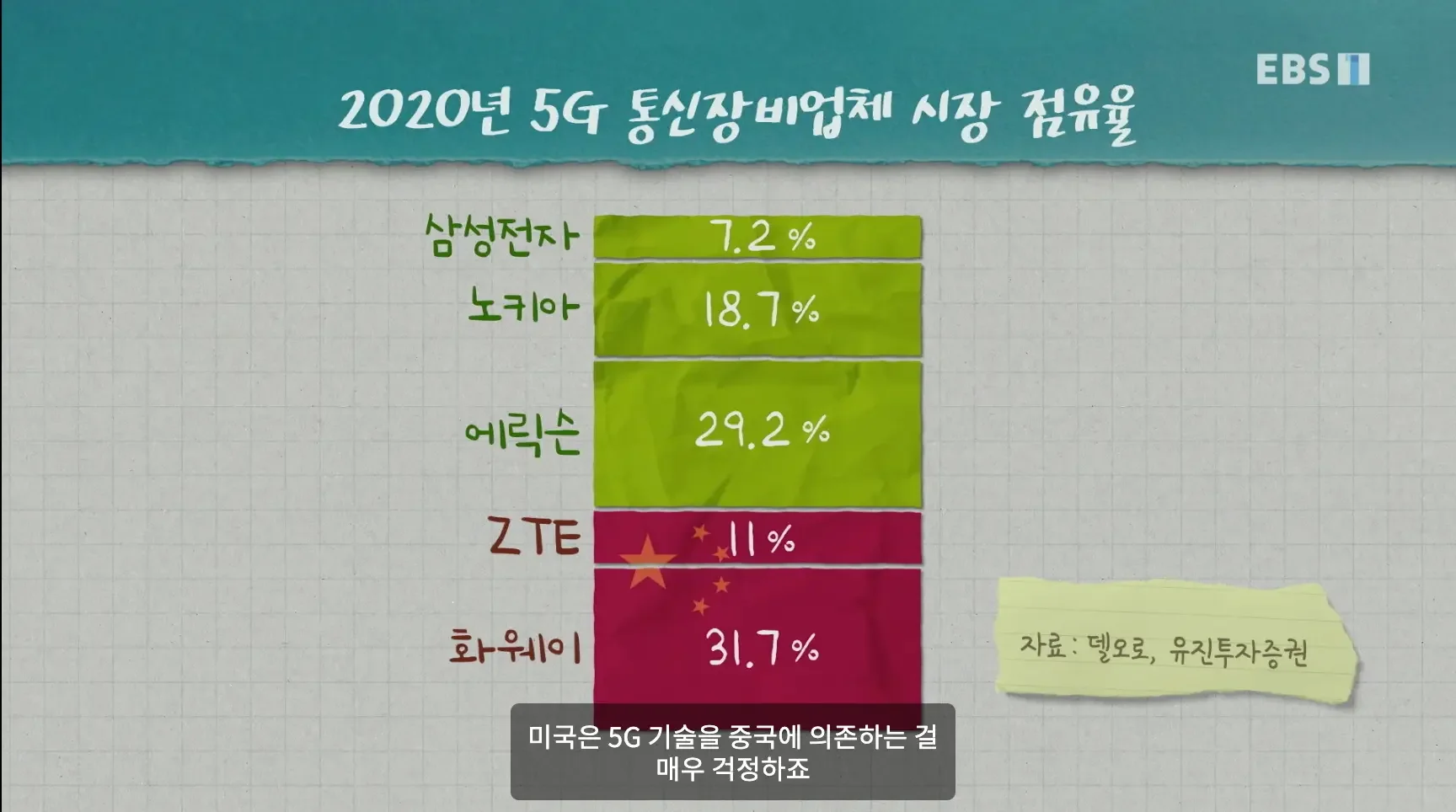
Some political scientists and economists are too naive. Political scientists often think: if we build close relationships with foreign countries and trade a lot, our trading partners will adopt democracy. The US and China are competing with every tool at their disposal.
Producing all goods domestically is inefficient. But if you depend on foreign products and specialize in only one area, you'll be in crisis when raw material supplies are cut off. Everyone — government officials, entrepreneurs, and consumers — must remember that striking the right balance is important.
Lecture 4 Summary#
Economic statecraft:
- Policies that use the economy for security
- Originally meant economic sanctions (restricting imports for political reasons)
Tools of economic statecraft: Industrial policy + Trade policy + Investment policy
Changed 21st-century economic statecraft -> Considering economic statecraft in the context of new technologies
- Diversified effects influencing industrial, trade, and investment policies
- Quantum computing, AI, cybersecurity, biotechnology become tools of economic statecraft -> Importance increased for political purposes (why the US government helps Silicon Valley companies)
Made in China 2025, 10 Core Industries:
- Next-generation information technology
- Robotics
- Aerospace equipment
- Marine engineering and high-tech ships
- Advanced rail transit equipment
- Energy-saving equipment and new energy vehicles
- Power equipment
- New materials
- Biomedicine and high-performance medical devices
- Agricultural machinery
China's secret to acquiring advanced technology: Joint ventures + Theft
US response to technology leakage:
- Tariff imposition
- Import/export restrictions on specific Chinese companies
- Committee on Foreign Investment (CFIUS) review
Higher foreign investment barriers — a global trend:
- Reviewing whether it threatens national security
- Post-COVID, cases of blocking foreign investment for security reasons have surged
Turning point in US-China relations:
- 1949 Mao Zedong establishes People's Republic of China
- 1972 Nixon visits China (drawing China into international markets)
- 2001 China joins WTO
Convergence theory:
- To develop economically, countries must follow Anglo-American market capitalism
- Exceptionally, China won the trade war through government intervention
Intensifying US-China competition in advanced technology:
- The weapon is industrial policy
- Maintaining balance in the trade hegemony war is crucial
Lecture 5: Korea's Survival Strategy#
Lecture 5 discusses the strategies Korea should take for survival, caught between its #1 export partner China and its #2 export partner and security guarantor, the US.
Now let's look at middle power strategies — the strategies of countries like Korea, Singapore, and Japan. What can these middle powers do between the US and China? Should they just stand by and watch?
A typical case of this problem is Korea. What's the essence of the problem? Korea is highly dependent on the US in terms of national security. Korea depends on the US for security partly because of North Korea but also because of China. At the same time, Korean companies have been very successful in the Chinese market. Therefore, Korea is economically heavily dependent on the Chinese market.
So what should these countries do? There are several mindsets these countries can adopt.
First is realist thinking — the mindset that everything comes down to power, that power competition is everything. Since you can't trust anyone, it's natural to build strength, so you'd possess highly lethal weapons like nuclear arms.
Another approach is bandwagoning with a great power — simply put, building a friendly relationship with a great power. If you have bad relations with neighboring countries, you ally with a distant great power. There's also a strategy called hedging, where you tell everyone you love them — not offending anyone.
Another approach is preferred by liberal institutionalists — mainly the position of scholars and legal experts. They argue that international organizations can solve the problems faced by middle and small powers — that countries should participate in forming norms. They say this institutional approach should address the problems of middle and small powers caught between competing great powers.
Finally, there's the constructivist approach. The constructivist approach says to think about the whole world — to form the concept that we're all one. It's not a national problem but a global one. There's also the concept of pursuing legitimacy — it's not only superpowers who can speak on international issues. Small countries also have the right to speak. To do this, norms of cooperation must be established.
Middle powers are coping with problems either by emulating other countries or in their own way, trying to survive in the international economy where US-China competition is fierce.
Korea has diversified supply chains and reduced corporate taxes to encourage companies to invest more in Korea, but it hasn't always been successful. Many Korean companies were attracted to overseas markets and didn't come back, citing high Korean labor costs — even when the Korean government offered massive subsidies for their return.
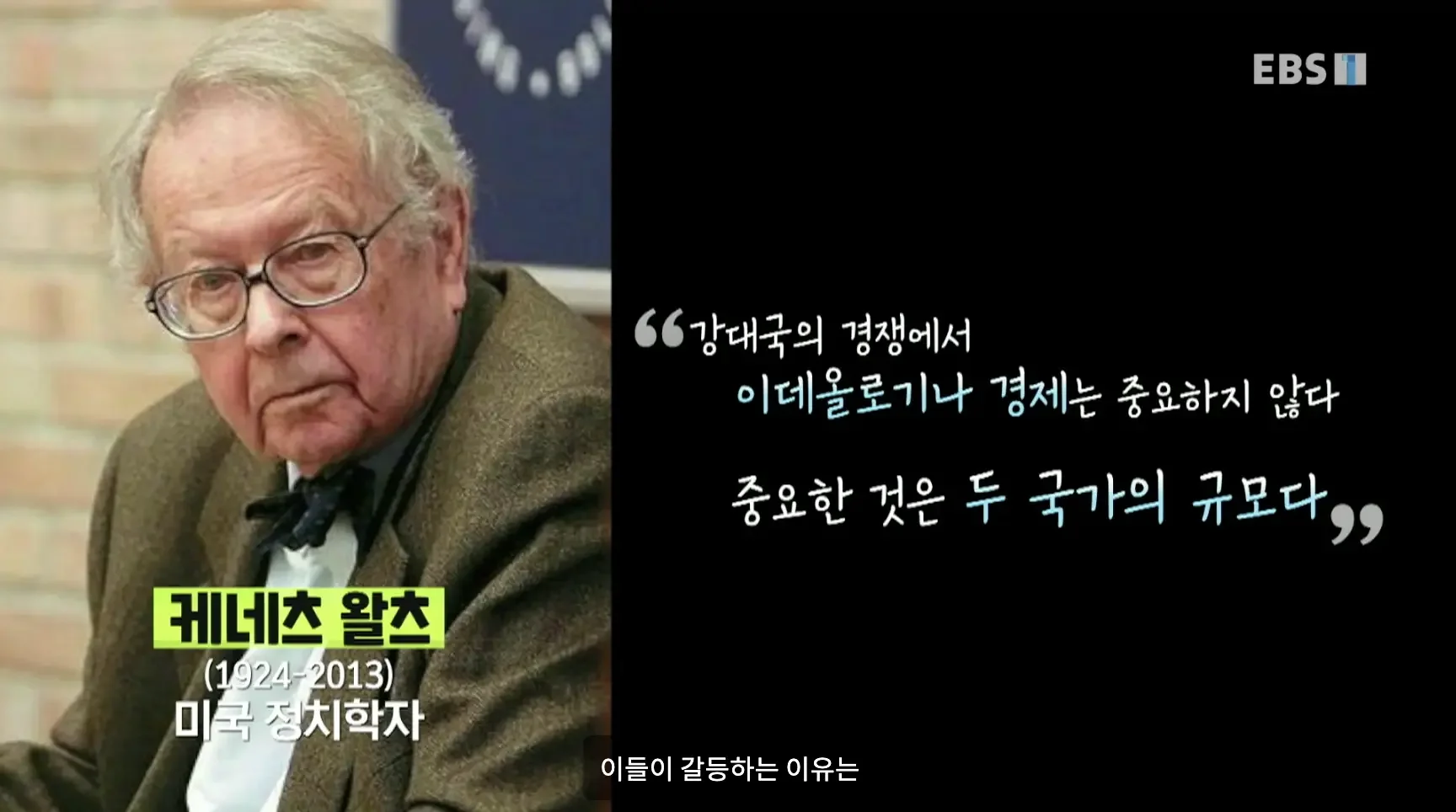
In great power competition, ideology or economics doesn't matter. When there are two of the world's largest countries, they'll fight somehow. Ultimately, the most important thing is setting the agenda for negotiations.
Nothing is inevitable in international relations. Everything depends on how you see the world.
Lecture 5 Summary#
Middle power survival strategies:
- Realist thinking (e.g., Israel's US alliance & nuclear weapons)
Bandwagoning with great powers, building friendly relations (e.g., Singapore's hedging strategy) - Institutional approach: "Use international organizations"
- Constructivist approach: "Think about the whole world"
Middle power economic statecraft: Policies that use the economy for national security
Middle power Japan's economic statecraft:
- Seeking new markets to reduce China dependence -> Expanding Southeast Asian markets
- Limited tariff reduction agreements with the US instead of broad bilateral agreements
- Digital trade agreement (preventing data localization) -> Friendly gesture toward US IT companies
- Supporting return of Japanese companies in China ($2 billion)
Middle power Korea's economic statecraft:
- Korea-US Free Trade Agreement (KORUS FTA)
- Active in various international organizations (APEC, WTO, G20, ITA)
- Subsidies for semiconductor material procurement (successful diversification of semiconductor raw material sources)
- Intellectual property protection, investigation authority for technology leaks, extensive revision of Foreign Investment Promotion Act
- Supply chain diversification + Corporate tax reduction (efforts amid US-China competition)
The world is now a US vs. China bipolar era: Supply chain diversification + Corporate tax reduction
Causes of US-China conflict:
- Not ideological differences, just differences
- The US and EU, ideologically similar, also constantly conflict
- Agenda setting for negotiations is needed
- Middle powers like Korea, Japan, Singapore, and Taiwan must systematically deploy economic statecraft